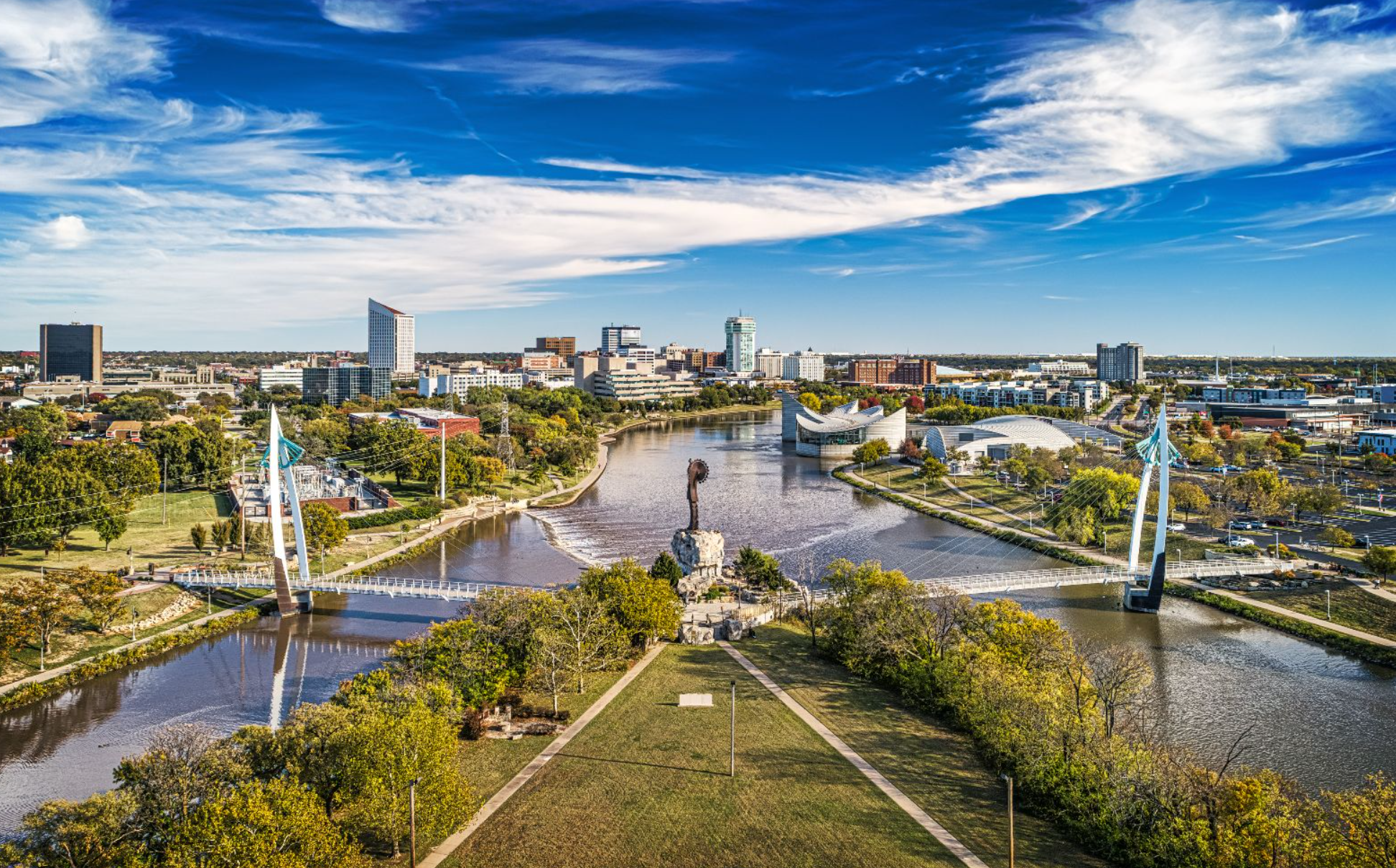
In celebration of our 40th anniversary, we're honoring 40 of the people and partnerships we've worked alongside to shape our community—beginning with Kate and Clay Bastian, James Chung, Kyle Ellison, and Claudia Yaujar-Amaro.
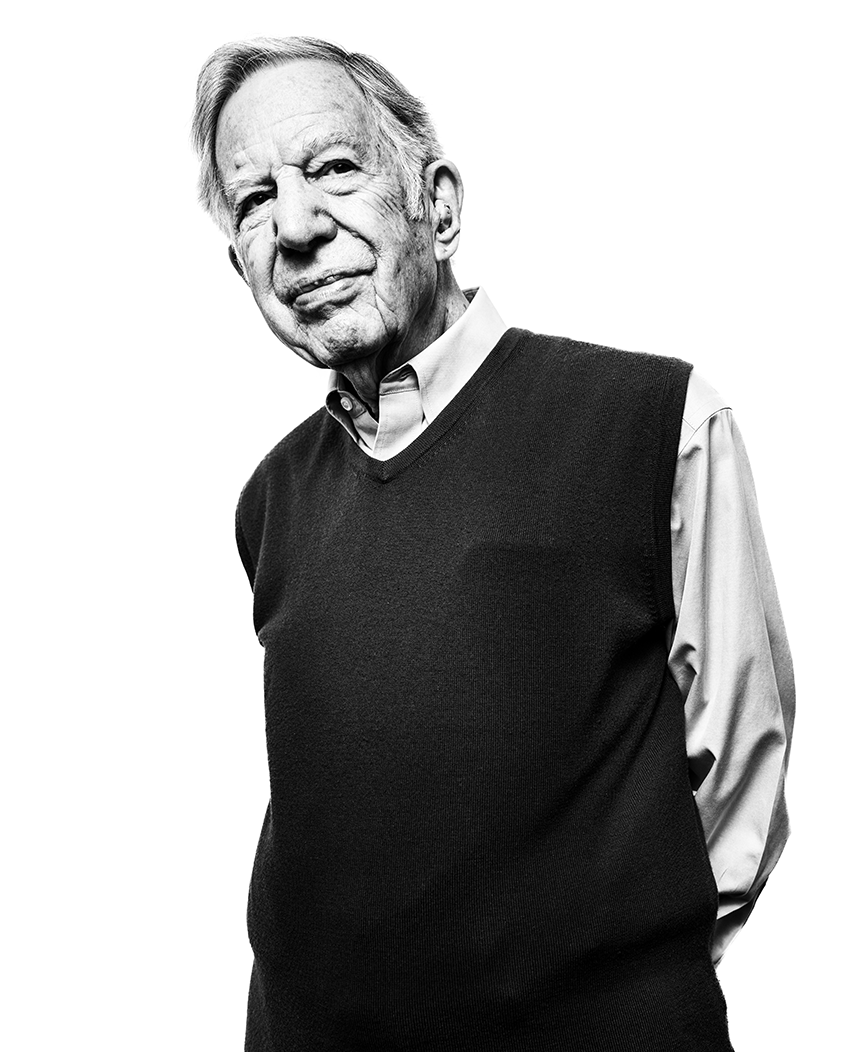
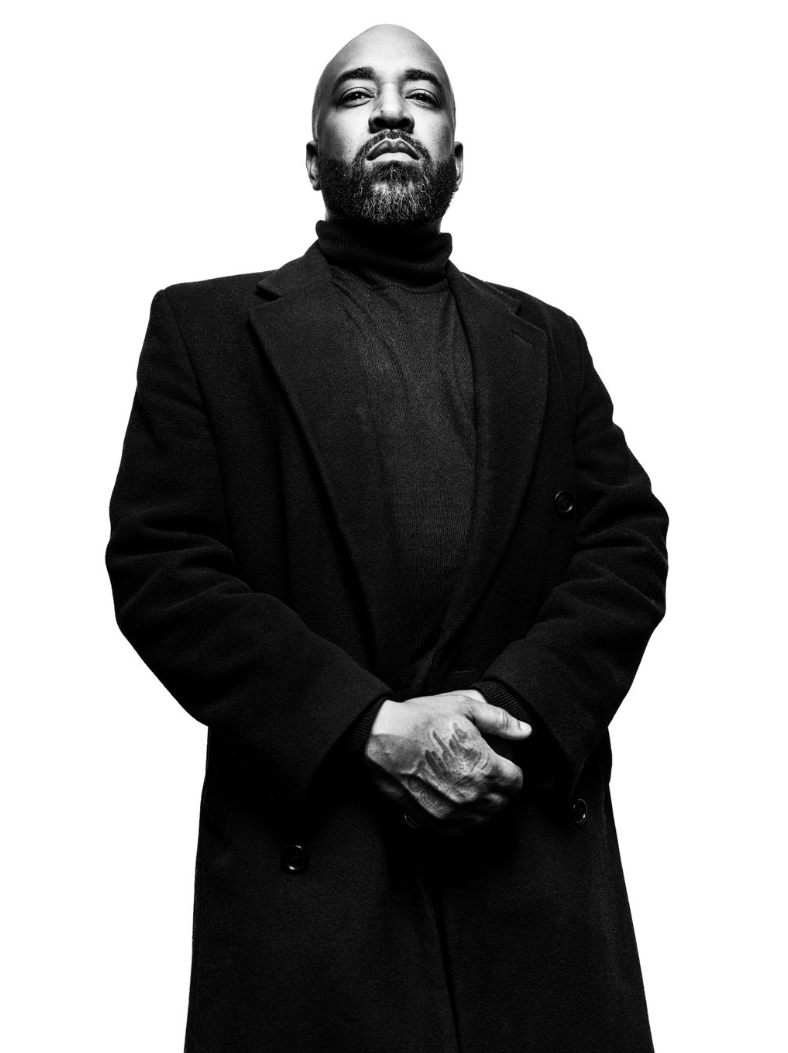
For nearly a century, Fred Berry has been making an impact on the people and places around him.
Fred grew up on a farm near Wood River, Illinois, attended the University of Illinois and the Harvard School of Business, and served as a maintenance officer in the Air Force during the Korean War before arriving in Wichita in 1957 with his now wife of 70+ years, Sue. He moved to the city to purchase a company with his brother, Paul, which they grew over the years and is now called Berry Companies, currently run by their grandsons. Just as the company expanded over the years, so did Fred’s connection to and impact on Wichita.
A soft, gentle—and very recognizable—laugh often announces Fred’s arrival before you see him. A longtime regular at community meetings and events around town, Fred naturally draws people to him wherever he goes. A crowd slowly gathers, eager to hear a story, learn from his experience, or perhaps discover some of the magic that keeps him going and so deeply engaged in the community.
That commitment to Wichita helped give rise to the Wichita Foundation itself. Fred was one of the founders of what was then the Greater Wichita Community Foundation, joining Dick DeVore, Mary Lynn Oliver, and Cramer Reed in putting the wheels in motion to create a community foundation for Wichita.
But Fred’s connection to the Foundation goes even deeper and the story reaches back more than 150 years.
Victor Murdock, a well-known name in Kansas history, was born in Burlingame, Kansas, in 1871. He was publisher and managing editor of The Wichita Eagle from 1894 to 1903, served five terms as a U.S. Representative, and later returned to Wichita as editor and publisher of The Eagle, a role he held until his death in 1945.
Years later Murdock’s grandson, Captain Victor Delano, established the Victor Murdock Foundation to honor his grandfather and his family’s connection to the city. A Naval Captain and Pearl Harbor survivor, Delano spent considerable time in Wichita as a child and created the foundation through a trust to “honor my grandparents and pay back a city that has been good to me.”
This is where Fred reenters the story. Fred served on the board for the Murdock Foundation and, through that work, became a close friend of Delano. As the Captain aged, he passed the leadership to Fred, who would later move the foundation over to a fund at Wichita Foundation as he aged.
Fred and Sue’s friendship with Delano extended well beyond charitable work, with Sue and Captain Delano bonding over a shared interest in World War II in particular. When Delano received full military honors at Arlington National Cemetery in 2015, the couple attended the service alongside several members of the Berry family, as well as Judy Slawson and Mark Reed.
It is a fitting example of the way Fred has moved through nearly seven decades in Wichita: honoring the people who came before him while always making time for those who will come next.
Whether he is honoring a military veteran with deep Wichita roots, talking with a rising leader at a community event, or sharing a story about the early days of Berry Tractor, Fred brings the same qualities to each encounter. More often than not, it all begins with that unmistakable laugh.
He is kind, genuinely curious about others, generous with his experience, and deeply devoted to the community he has called home since 1957—and it’s no exaggeration to say Wichita would not be the same without him.
Thank you, Fred.
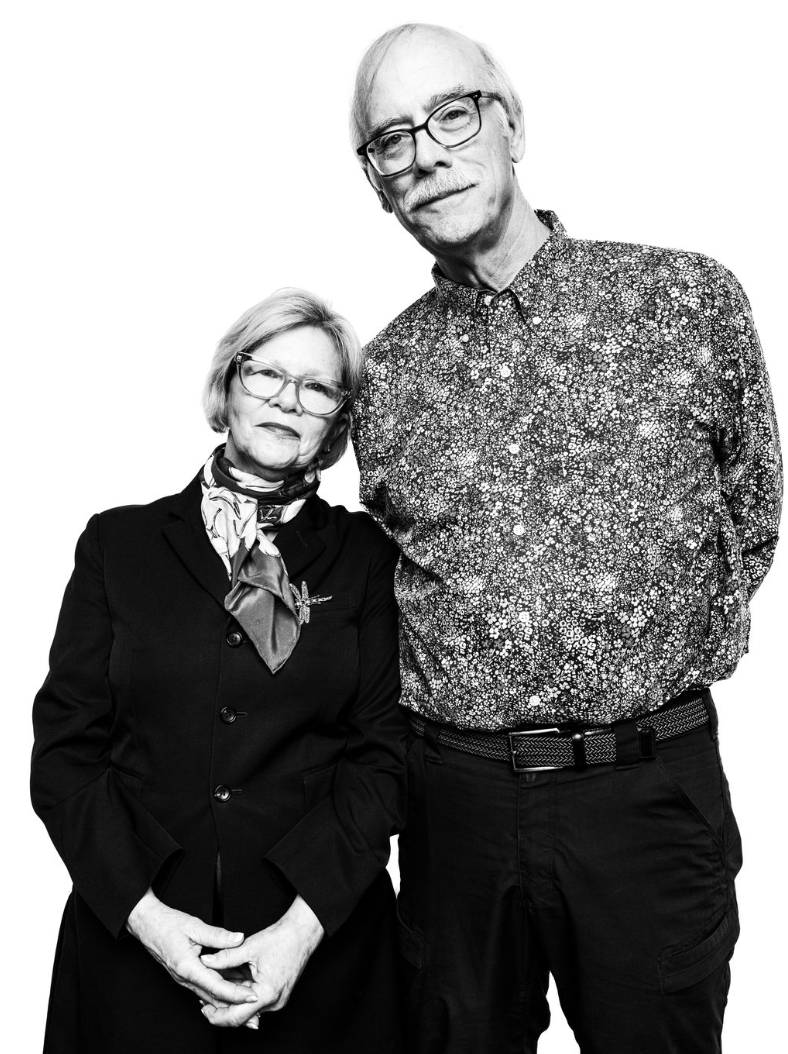
Clay Bastian travels the world on motorcycles and can hold a detailed conversation about very specific kinds of cars. Kate Bastian is a devoted supporter of community groups, including the Philips Fundamental Learning Center, the Tallgrass Film Festival, the Wichita Art Museum, and any organization that exists to help animals.
At first glance, they might seem an unlikely pair. Look a little closer, and you see two people who are deeply, quietly, and steadfastly committed to the things they love—and to the community they call home.
The Bastian family's connection to the Wichita Foundation goes back to our very beginning. Clay's father, Marvin Bastian, was one of the community leaders who helped establish the Greater Wichita Area Community Foundation 40 years ago.
In the decades since, the family's involvement has grown right alongside the Foundation itself, establishing funds, serving on the board and committees, and showing up in countless other ways. Clay, now retired from Fidelity Financial Corporation, brings his financial expertise to the Foundation's Investment Committee, where he helps steward the assets the community has entrusted to WF.
The phrase "time, talent, and treasure" isn't a cliché with this family. It's just how they operate.
As a couple, Kate and Clay have a personal ease that makes everyone around them feel welcome, whether at a formal event or a backyard gathering. Their approach to giving is generous and genuinely open-minded: they seek out new projects and are willing to fund the operational needs that help nonprofits need to grow in real and lasting ways. They recently opened Donor Advised Funds at the Foundation for each of their children, extending a family pattern of generosity into the next generation.
And about those differences: Clay can probably make a good argument proving motorcycles ARE art. And anyone who knows them chuckled when they decided to “foster” a dog, knowing full well that Lola, a standard poodle, had found her permanent home the second they met her.
Maybe they aren't so far apart after all.
Thank you, Kate and Clay.
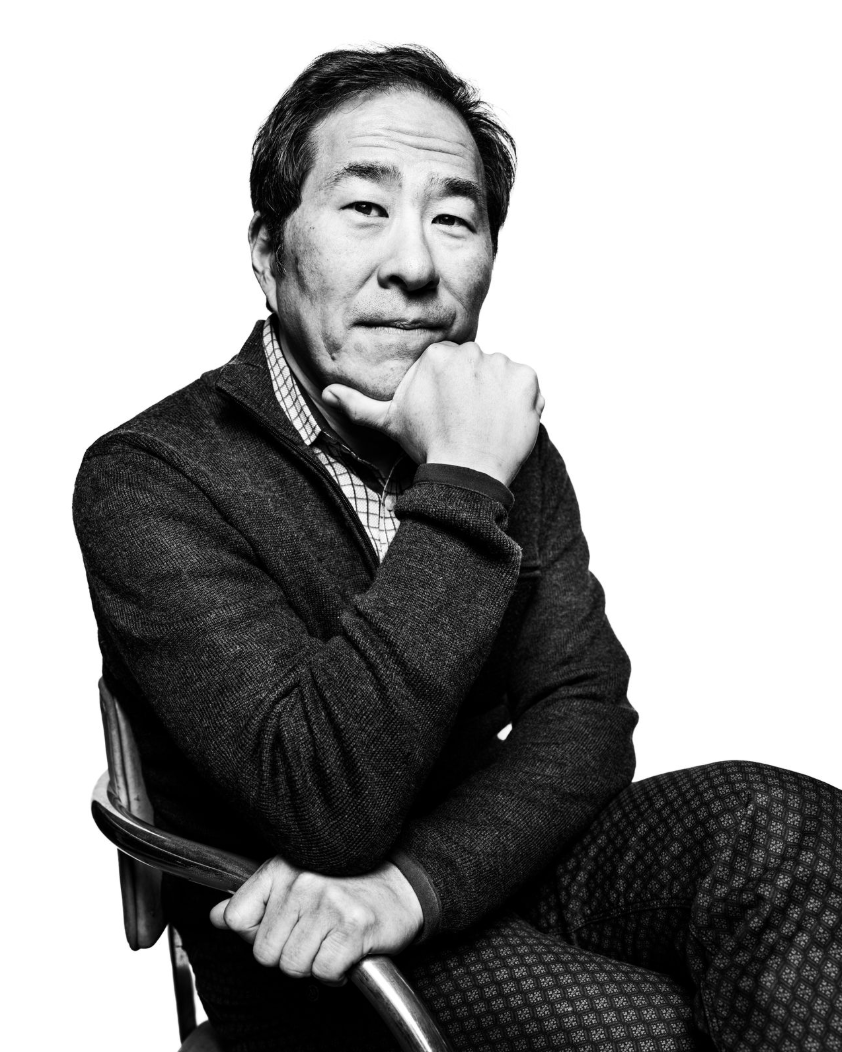
James Chung created a storm in Wichita that no one saw coming, the Wichita Foundation included.
The son of immigrant parents, James was born and raised here, attending Wichita Public Schools and Wichita Collegiate before leaving for Harvard. Though he briefly worked for the Wichita Eagle after graduating, he returned to Harvard for his MBA, eventually becoming an economist and data analyst who pioneered predictive marketing analytics for Fortune 500 companies.
He never lost his connection to Wichita.
In 2015, the Foundation approached James about creating a community scorecard, a citizen-driven approach to assessing and planning public services. Though his firm didn't typically analyze lagging measures, he agreed to tackle the challenge. Through the Foundation's Focus Forward initiative, James identified four fundamental, interconnected challenges affecting Wichita's prosperity: business cycle, human capital, entrepreneurship, and perception. His call to action was direct: Discover which of these four challenges most affects you, and figure out how to tackle it, whether personally, at work, or within the larger community.
What was intended to be three years of research with three annual data presentations snowballed into more than 30 community gatherings, the creation of The Chung Report by the Bastian family, and reverberations still felt throughout Wichita a decade later.
"The impact this work had on our community and the Wichita Foundation is hard to quantify," said Shelly Prichard, President & CEO. "People told us they hadn't been included in community conversations before. But the convenings with James gave them a voice and ownership in the discussion."
The Foundation continues to build on what Focus Forward set in motion—investing in access to news and information, building nonprofit leadership, and working toward a Wichita where everyone belongs.
Chung's data changed the trajectory of the Foundation just as it aimed to change the trajectory of the city. But the man himself stayed true to his roots. At the very first data presentation he delivered, James got a little choked up when a slide of his childhood home appeared on the screen. He quietly said he never underestimates the impact Wichita and its people had on his life.
We feel the same about him.
Thank you, James.
Children and teens seem to have a gravitational pull toward Kyle Ellison—always have.
One of his first jobs as a teenager was at the Wichita Children's Home. He has always understood kids. How to reach them, how to earn their trust, how to show up for them in ways that matter. His path to where he is today wasn't straight: he spent time as a music artist, built business acumen and leadership skills in the corporate world, and gained hard-won insight at a startup. But youth organizations were always where his heart lay.
One reason kids are so drawn to Kyle might be that he is just undeniably cool.
You might catch him in a room where ideas are moving and conversations turn into investment, quietly building support for what comes next. You might see him on social media, showing Wichita what different can look like—and, in the process, reminding others they can create it too. But the polish never gets in the way of the point: when he promised kids at the Boys & Girls Club they could pie him if they hit their goal, he showed up ready to collect.
This is Kyle Ellison. Connector. Disruptor. And as of September 2026, President and CEO of the Boys and Girls Clubs of South Central Kansas.
Kyle will tell you his upbringing "was not the best." It’s a big part of why he wanted to help create the environment and opportunities he wishes he'd had himself as a youth. He found those roles at Heroes Academy and the Khan Lab School before stepping into his newest role with the Boys and Girls Clubs.
The Wichita Foundation's relationship with Kyle grew out of a shared belief in doing things differently. The Foundation provided a bridge loan to an organization Kyle led—an early expression of WF's impact investing program, and an example of the trust-based, innovative partnerships the Wichita Foundation continues to seek out.
Kyle sees a direct line between his mission to expand access and opportunity for young people and what the Wichita Foundation works to do across the community. The feeling is mutual.
He is, in the best possible way, exactly what Wichita needs more of.
Thank you, Kyle.
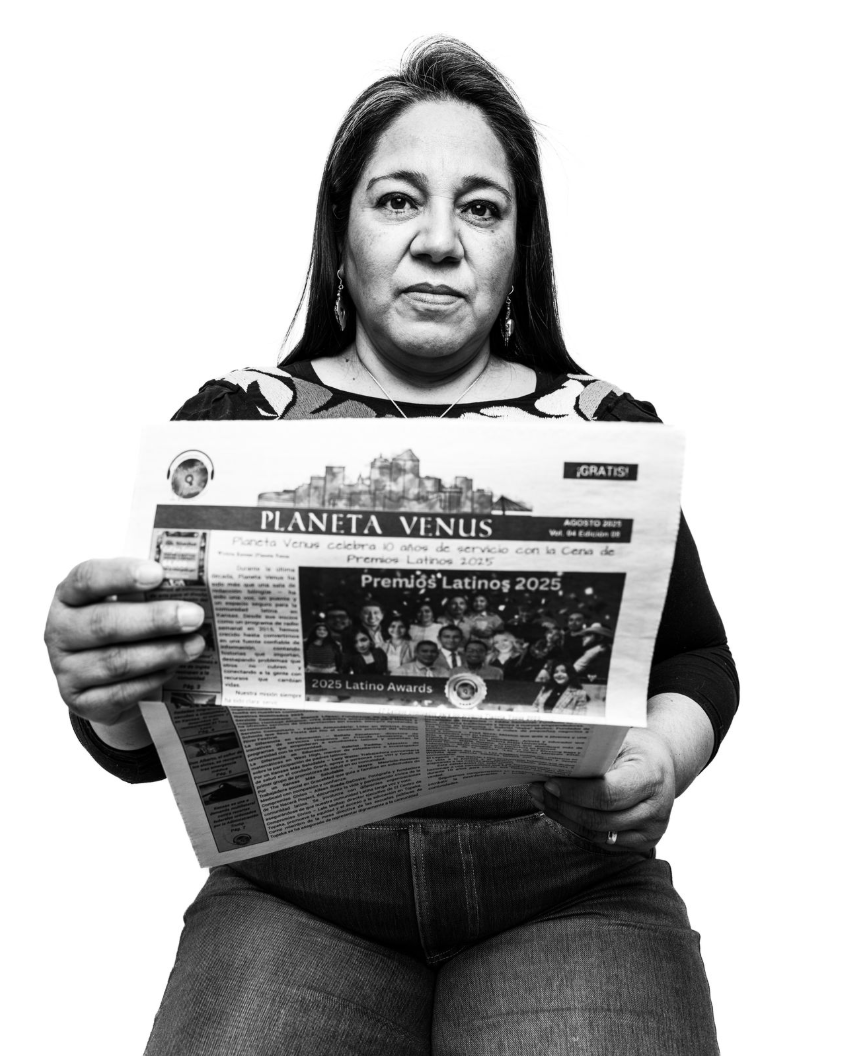
It’s no secret that print media has struggled in recent years. While conversations about the future of print media continued across the industry, Claudia was focused on something more immediate: if you want to reach a community, you meet them where they are. For Wichita's Latino community, that meant ink on paper, distributed across 10 key cities across Kansas and growing.
This is Claudia Yaujar-Amaro. Bilingual journalist. Entrepreneur. Community builder. And one of the most resourceful people in Wichita.
Claudia has a way of just figuring things out. She sees a need, finds a solution, and makes it happen—often before anyone else has finished identifying the problem. She is the founder of AB&C Bilingual Resources, LLC, and Planeta Venus, a bilingual marketing and media platform dedicated to serving and amplifying Latino communities across Kansas.
Planeta Venus isn't just a newspaper. It's also an online radio station, a community platform, and a declaration that distributing news to Spanish-speaking Kansans is not an afterthought. To follow Planeta Venus or tune into their online radio station, visit www.planetavenus.online.
In 2023, Claudia was selected as one of three Wichita Foundation Info Challenge grantees, a program that invited nontraditional news outlets to apply for funding, technical support, and a seat at a national table designing the future of news and information delivery. Led by the Tiny News Collective, the program was built for people like Claudia: entrepreneurs pushing the boundaries of what journalism can look like and who it can reach. She came in with Planeta Venus already running and left with new tools, new connections, and new ways to make information accessible to the communities that need it most.
Claudia asks great questions, pushes hard against the way things have always been done, and does all of it with an unmistakable love for her community. She believes that equitable access to reliable, relevant information isn't a nice-to-have, it's the foundation of civic life. Everything she builds is in service of that belief.
Thank you, Claudia.
Click on each portrait to read their story and stay tuned over the next year as we keep the celebrations going with three new portraits released each month. Special thanks to photographer Aaron Patton for sharing his talents on this project.
Faces of Impact is part of my ongoing series, The Americans, which is traveling to all 50 states to build a cross section of who we are as a nation right now. Wichita Foundation commissioned Faces of Impact to highlight 40 of those stories directly tied to my hometown. It gives me an opportunity to slow down and go deeper with each person, and to understand some of the many different ways people have impacted, and been impacted by, this community.
A portrait is just a collision of two points of view - how a subject presents themselves and how a photographer feels about it. They’re opinions, not facts. Sometimes those points of view agree, and you get this sense that you’re seeing deeply into someone - and maybe you are. Sometimes they’re adversarial, and the viewer is led to believe that the subject has been uncovered - and maybe they have. But both of those reactions ignore the fact that the photograph is ultimately the opinion of the photographer. I try to show things in people that I see from them in the brief time I get to know them, and I like to think that after 20 years of photographing people, I’m good at getting people to open up relatively quickly. But maybe where I see defiance, there is really mistrust of the camera; maybe where I see curiosity, there is bemusement. And hopefully, I get it right more often than not.
A good deal of what I do is waiting. Waiting for guard to drop, waiting for nerves to settle, waiting for that default “camera smile” to get tired and fade away. And during that time, I’m listening. I want to be informed about who I’m photographing, not just in what they tell me, but in how they move and react. And all of that doesn’t necessarily get me any closer to the truth about someone, but it does tend to find images that feel less familiar to the subjects and often more familiar to the people that know them well.
This is how I’ve photographed people for nearly two decades, and I’ve always said that I could spend my entire career in front of a plain white background and never get bored. I’ve always liked the idea of putting people in a void and giving the viewer only the context someone brings into the frame with them. When you’re forced to focus on only the person, you spend a lot of time trying to figure them out. Portraits are great because you could never stare at someone in person as long as you can stare at a photograph of them.
Help us celebrate our 40th anniversary and enable WF to respond to the needs and opportunities shaping Wichita today with a gift to Fund 316.